
As we navigate through 2026, Americans are confronting significant economic challenges marked by rising inflation and escalating energy costs. These developments have sparked widespread concern about financial stability and the nation’s economic trajectory.
Inflation and Energy Prices on the Rise
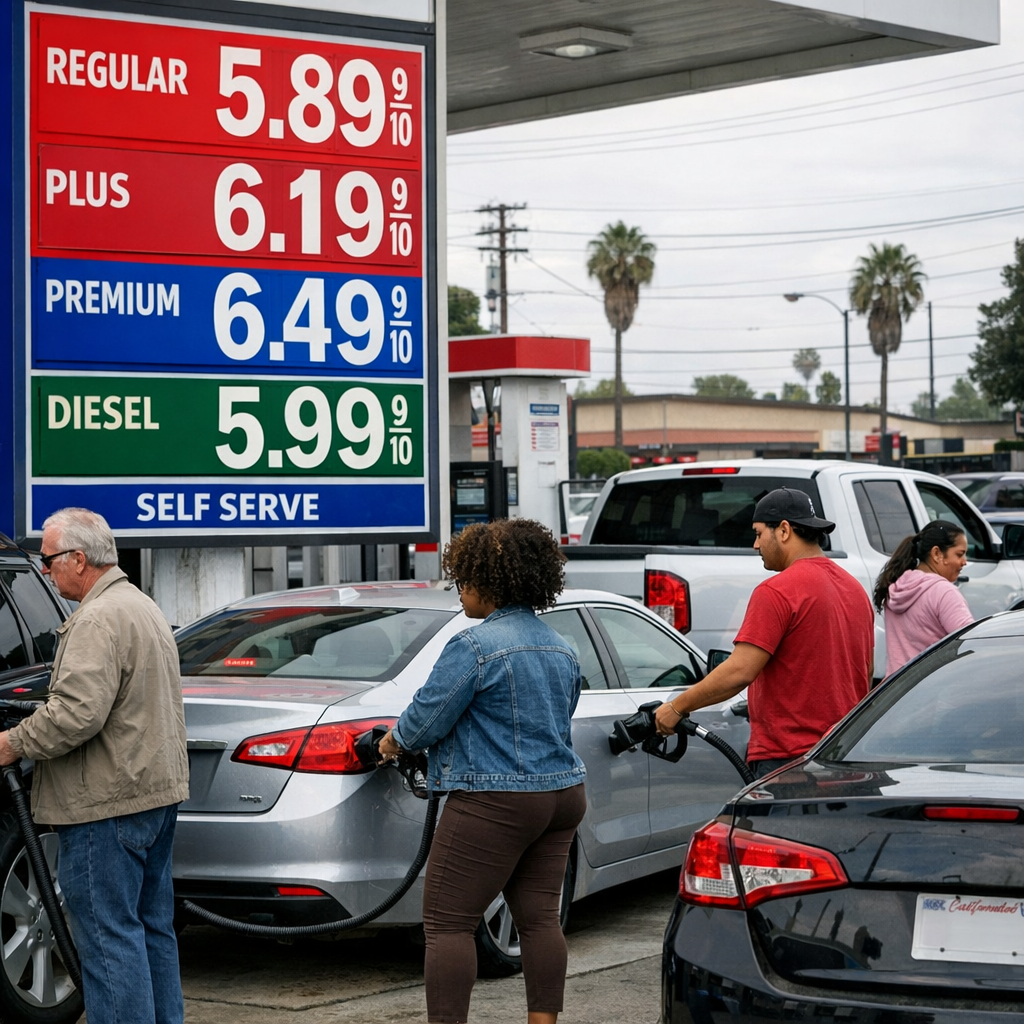
Recent data indicates a notable increase in inflation rates, with the Consumer Price Index (CPI) climbing to 3.8% in April, the highest in three years. This surge is largely attributed to escalating energy costs, particularly gasoline prices, which have surpassed $4.50 per gallon nationally, with some states experiencing prices above $5. The conflict in Iran, leading to the closure of the Strait of Hormuz, has significantly disrupted oil supplies, contributing to these price hikes.
Impact on Employment and Consumer Sentiment
The labor market has also shown signs of strain. February saw a loss of 92,000 jobs, and revisions to previous months’ data revealed additional declines. The unemployment rate for U.S.-born workers has risen to 4.7% from 4.4% over the past year. This downturn has affected consumer sentiment, with a recent CBS News/YouGov poll indicating that 70% of Americans feel “angry” or “frustrated” about the current economic situation.
Federal Reserve’s Response and Future Outlook
In response to these economic pressures, the Federal Reserve has maintained interest rates at 3.6%, with new Chair Kevin Warsh indicating a cautious approach to future adjustments. The International Monetary Fund (IMF) projects U.S. GDP growth at 2.4% for the year, acknowledging the economy’s resilience but cautioning against potential risks from rising federal debt and ongoing trade tensions.
As we continue to monitor these developments, it’s crucial for individuals and businesses to stay informed and adapt to the evolving economic landscape. While challenges persist, proactive measures and informed decision-making can help mitigate the impact of these economic shifts.