

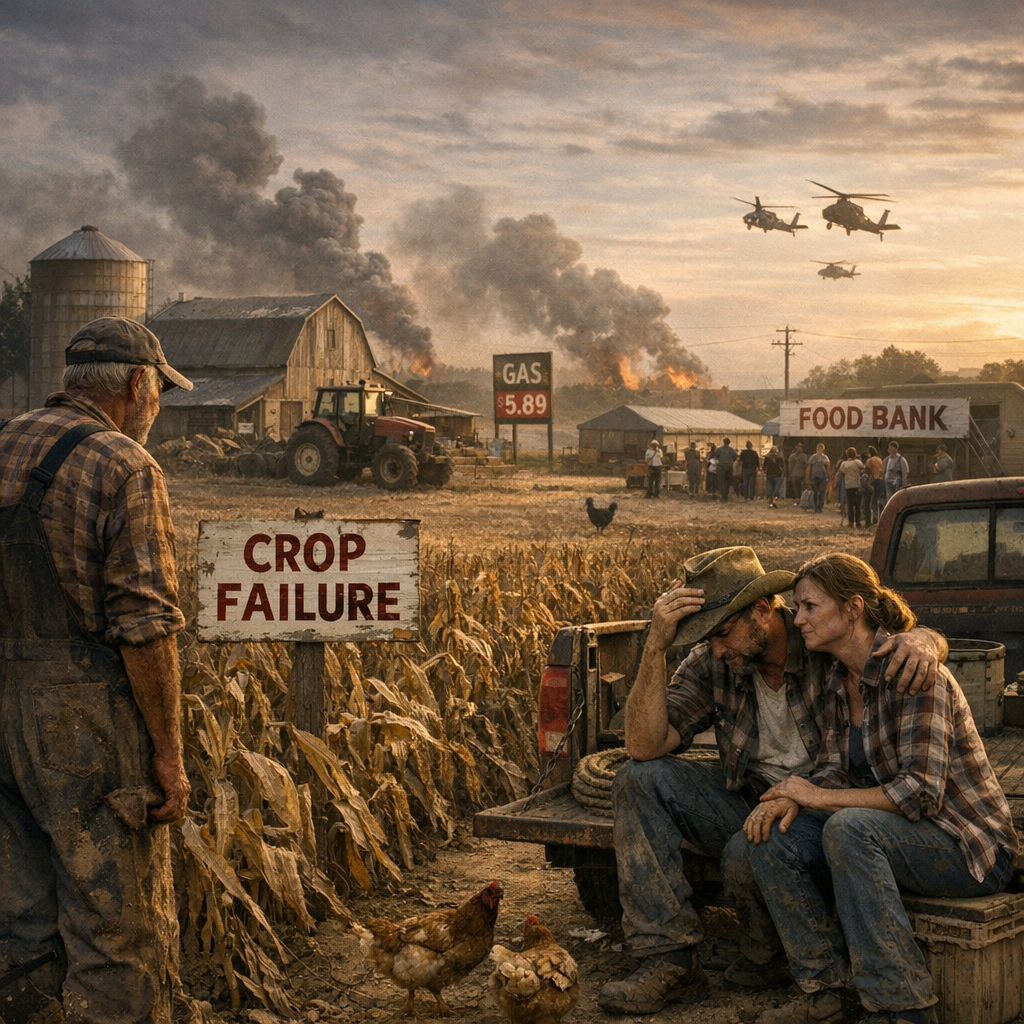
In our interconnected world, global events often have far-reaching effects that extend into rural communities, including our own in Craig, Colorado. Understanding these impacts is crucial for building resilience and ensuring the well-being of our local population.
Supply Chain Disruptions
International conflicts can disrupt global supply chains, leading to shortages and increased prices for essential goods. For instance, conflicts in key regions have caused interruptions in the shipment of fertilizers and fuels, directly affecting farmers worldwide. Such disruptions can lead to higher operational costs and reduced agricultural productivity, posing challenges for rural economies reliant on farming.
Climate Change and Environmental Challenges
Climate change is a global phenomenon with localized consequences. Rural areas are particularly vulnerable to extreme weather events such as droughts and floods, which can devastate crops and livestock. These environmental challenges threaten food security and the livelihoods of those dependent on agriculture. In regions like Latin America and the Caribbean, a significant percentage of countries are highly exposed to extreme weather events, affecting food security and underscoring the need for adaptive strategies.
Health Crises
Global health crises, such as pandemics, often disproportionately affect marginalized and rural communities. Limited access to healthcare facilities, economic constraints, and infrastructural challenges can exacerbate the impact of such crises. For example, during recent health emergencies, rural populations have faced higher rates of infection and mortality due to these systemic issues.
Economic Impacts
Global economic fluctuations, including recessions and trade disputes, can have a profound impact on rural economies. Dependence on specific industries or export markets makes these communities particularly susceptible to global market changes. Economic downturns can lead to job losses, reduced income, and increased poverty levels in rural areas.
Building Resilience
To mitigate the effects of global events, rural communities can focus on building resilience through various strategies:
- Diversifying the Economy: Encouraging the development of multiple industries can reduce dependence on a single economic sector.
- Investing in Infrastructure: Improving transportation, communication, and healthcare infrastructure can enhance the community’s ability to respond to crises.
- Promoting Sustainable Practices: Adopting sustainable agricultural and environmental practices can help mitigate the impact of climate change.
- Strengthening Community Networks: Building strong social networks can provide support during times of crisis and facilitate the sharing of resources and information.
By understanding the interconnectedness of global events and local realities, communities like Craig can better prepare for and adapt to the challenges posed by an ever-changing world.