

Artificial Intelligence (AI) is revolutionizing industries worldwide, yet its adoption in rural areas like Craig, Colorado, remains limited. A recent Microsoft report highlights a significant disparity: nearly one-third of urban residents use AI, compared to only 16.2% in rural regions. This digital divide could exacerbate existing economic inequalities if not addressed.
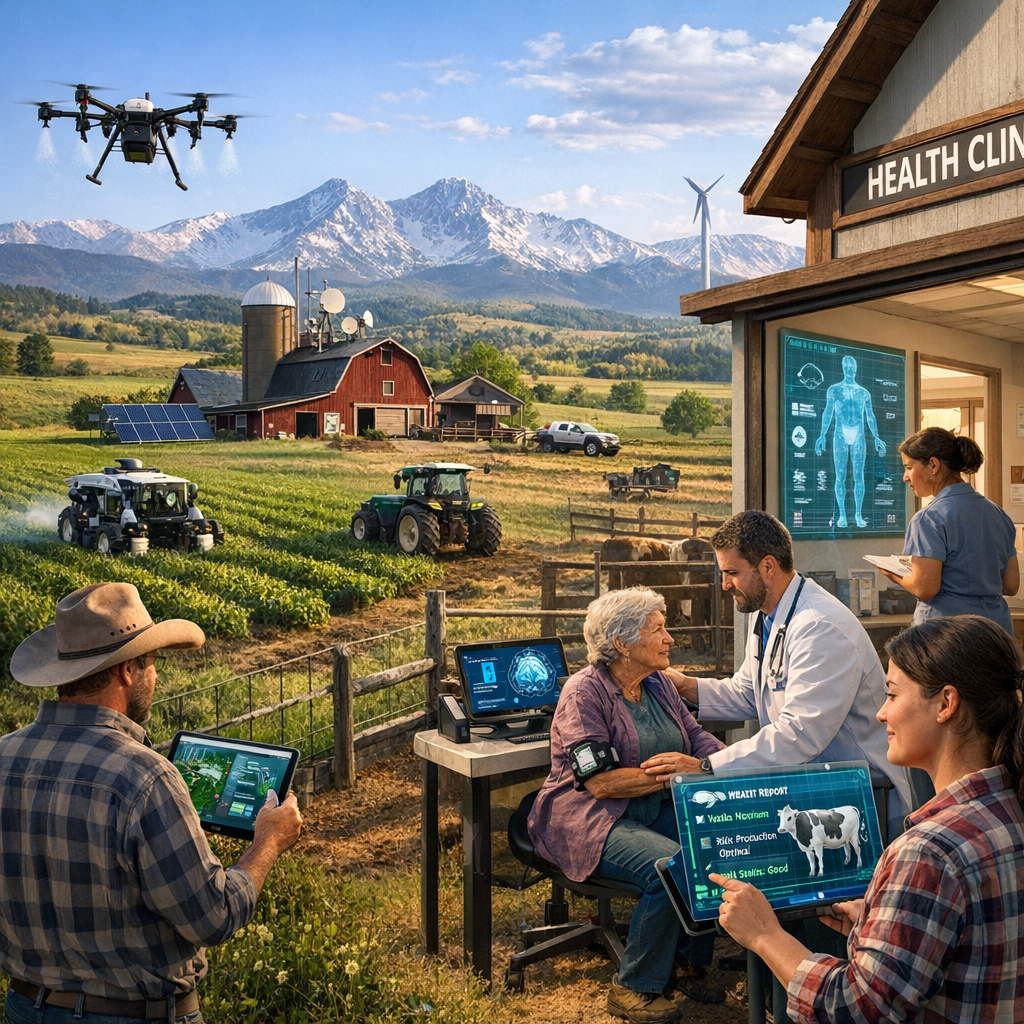
However, AI presents numerous opportunities for rural communities. In agriculture, AI-driven technologies can optimize crop management and livestock care, leading to increased efficiency and sustainability. For instance, companies like Halter are developing AI-powered solutions to monitor and manage cattle, which could be particularly beneficial for local ranchers.
Healthcare is another sector poised for transformation. AI can support overburdened rural healthcare providers by assisting in diagnostics and patient management, potentially improving access to quality care. Additionally, AI-powered educational tools can offer personalized learning experiences, helping to bridge educational gaps in remote areas.
To fully realize these benefits, it’s crucial to invest in digital infrastructure and AI literacy programs tailored to rural needs. By embracing AI, communities like Craig can enhance local industries, improve public services, and foster economic growth, ensuring they remain competitive in an increasingly digital world.