

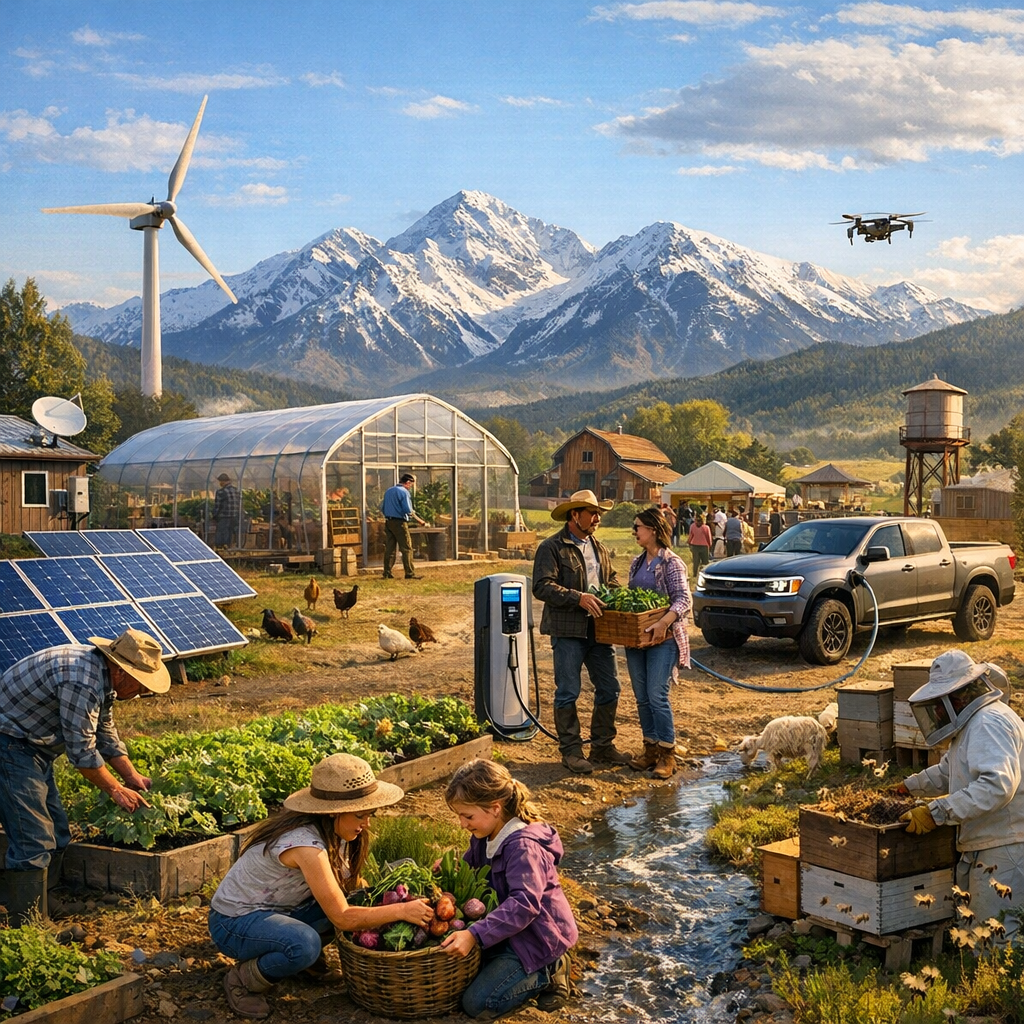
In our interconnected world, events unfolding thousands of miles away can have profound effects on rural communities like Craig, Colorado. Understanding these global influences is crucial for fostering resilience and ensuring the well-being of our local population.
Climate Change and Its Local Repercussions
Climate change is a pressing global issue with tangible impacts on rural areas. Altered weather patterns, increased frequency of extreme events, and shifting agricultural zones can disrupt traditional farming practices. For instance, changing rainfall patterns may affect crop yields, while more intense droughts can strain water resources essential for both agriculture and daily life.
Economic Globalization and Market Volatility
The global economy’s fluctuations directly influence rural economies. International trade policies, currency exchange rates, and global market demands can affect the prices of locally produced goods. For example, a surge in global demand for certain commodities can lead to increased prices, benefiting local producers. Conversely, global economic downturns can reduce demand, leading to lower prices and economic hardship for rural communities.
Health Crises and Pandemic Preparedness
Global health crises, such as pandemics, underscore the importance of preparedness in rural areas. Limited healthcare infrastructure can pose challenges in responding effectively to widespread health emergencies. Ensuring access to medical resources, information, and support systems is vital for protecting the health of rural populations during such crises.
Building Local Resilience
To mitigate the impacts of global events, rural communities can focus on building resilience through:
- Diversifying the Local Economy: Encouraging a mix of industries can reduce dependence on a single economic sector, making the community more adaptable to global market changes.
- Investing in Sustainable Practices: Adopting sustainable agricultural and resource management practices can help buffer against climate change impacts and ensure long-term viability.
- Enhancing Healthcare Infrastructure: Strengthening local healthcare facilities and services ensures better preparedness for global health crises.
- Fostering Community Engagement: Building strong community networks enhances information sharing and collective problem-solving, essential during times of global upheaval.
By understanding and proactively addressing the ripple effects of global events, rural communities like Craig can navigate challenges and seize opportunities, ensuring a vibrant and resilient future.