

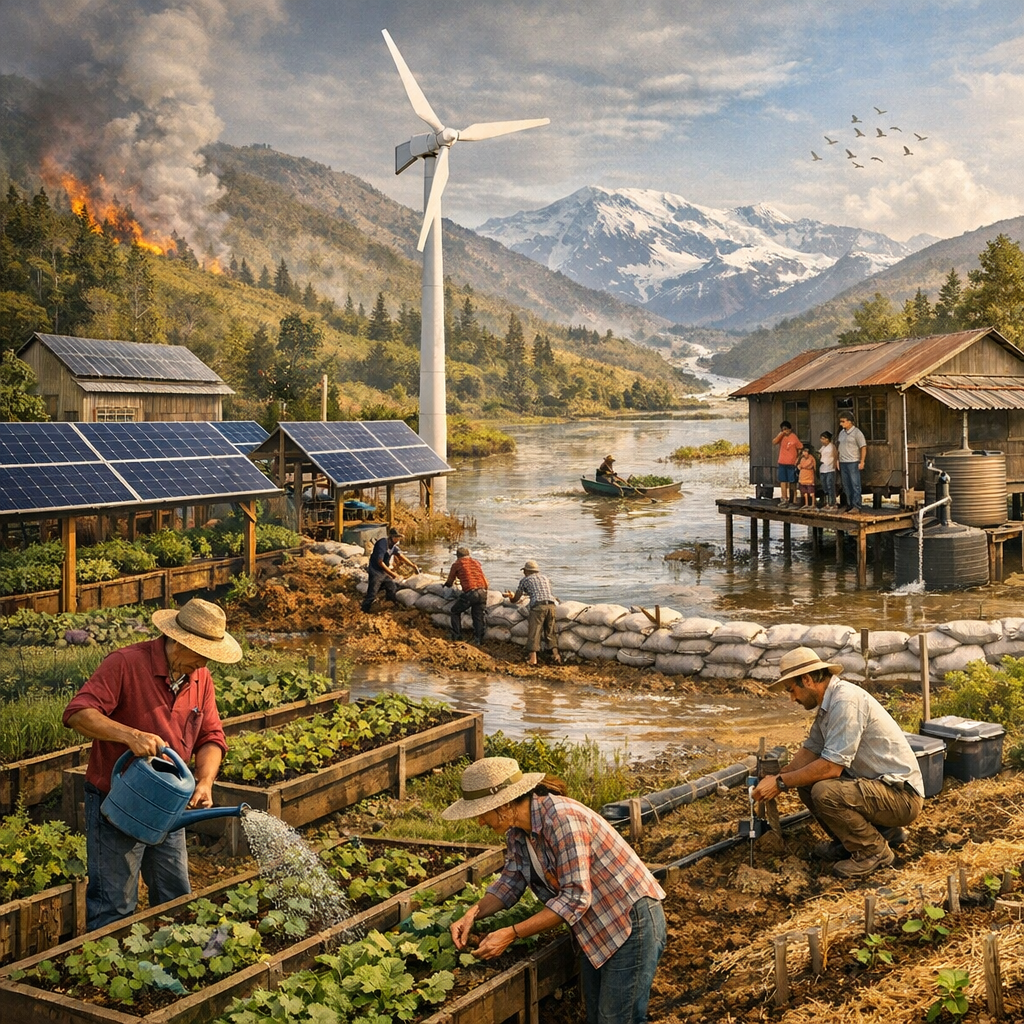
In our interconnected world, global events often have profound effects on local communities, including rural areas like Craig, Colorado. Understanding these impacts is crucial for fostering resilience and sustainable development.
Climate Change and Environmental Challenges
Climate change is a significant global issue with direct consequences for rural communities. Unpredictable weather patterns, such as prolonged droughts and severe storms, can disrupt agriculture, the backbone of many rural economies. For instance, in 2024, over 150 unprecedented extreme weather events were recorded worldwide, leading to substantial economic losses and increased vulnerability in rural areas. These environmental challenges underscore the need for adaptive strategies to protect livelihoods and ensure food security.
Economic Globalization and Market Access
Economic globalization presents both opportunities and challenges for rural communities. Access to international markets can boost local economies by providing new avenues for agricultural products. However, it also introduces competition and market volatility. Strengthening local infrastructure and developing robust value chains are essential to help rural producers effectively participate in the global economy. Investments in these areas can transform rural livelihoods, enabling producers to reach broader markets and achieve better prices for their goods.
Technological Advancements and Digital Inclusion
The digital divide remains a pressing issue for rural areas. While urban centers often benefit from rapid technological advancements, rural communities may lack access to reliable internet and digital tools. This disparity limits opportunities for education, healthcare, and economic development. Bridging this gap through investments in digital infrastructure and education can empower rural residents, fostering innovation and connecting them to global resources and markets.
Global Health Crises and Community Resilience
Global health crises, such as pandemics, have highlighted the vulnerabilities of rural healthcare systems. Limited medical facilities and personnel can strain communities during widespread health emergencies. Strengthening healthcare infrastructure and ensuring access to essential services are vital for enhancing the resilience of rural areas against global health threats.
Conclusion
Global events have far-reaching implications for rural communities like Craig. By understanding these impacts and proactively addressing challenges through investment in infrastructure, education, and healthcare, rural areas can build resilience and thrive in an ever-changing global landscape.