

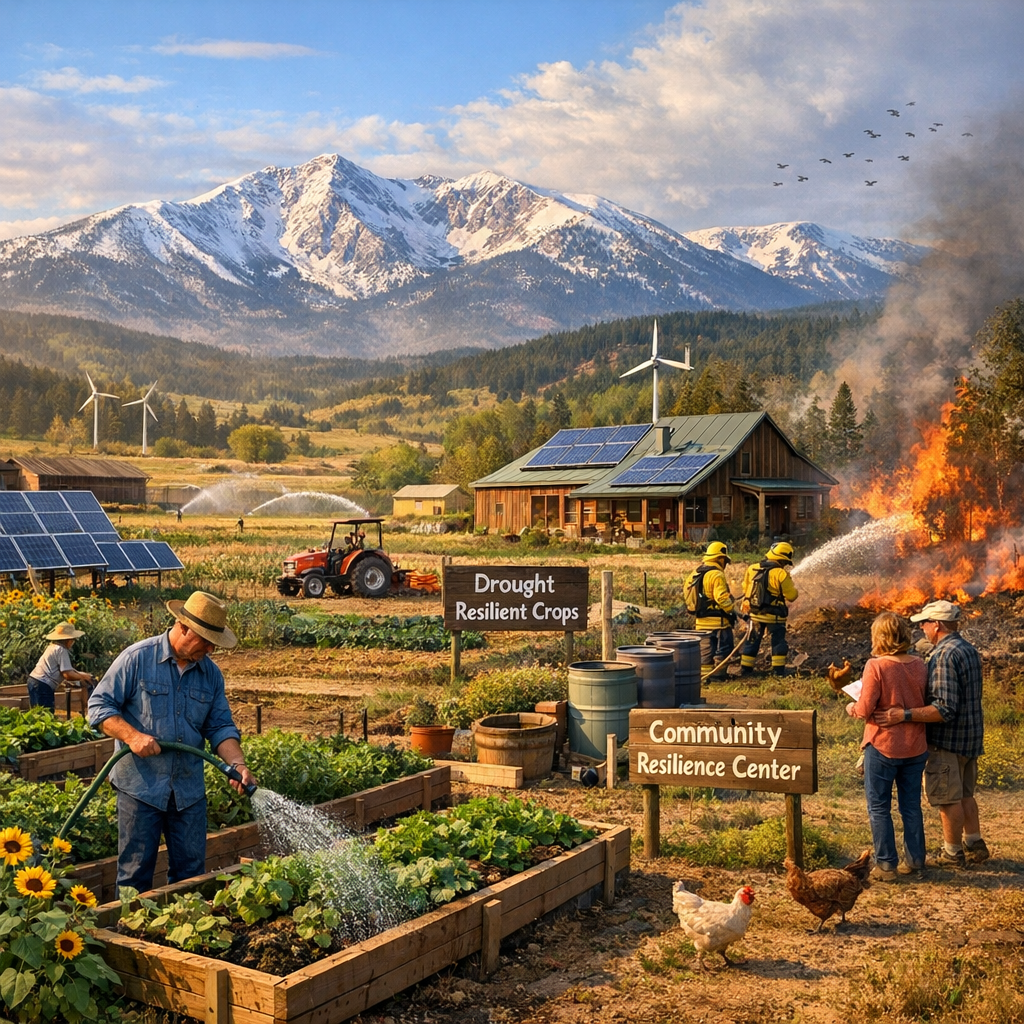
In an increasingly interconnected world, global events and trends have profound effects on rural communities, including those in Craig, Colorado. Understanding these influences is crucial for local residents and policymakers to navigate challenges and seize opportunities.
Climate Change and Environmental Impacts
Climate change poses significant challenges to rural areas. Rising temperatures, altered precipitation patterns, and increased frequency of extreme weather events affect agriculture, water resources, and infrastructure. For instance, prolonged droughts can reduce crop yields and strain water supplies, while intense storms may damage roads and bridges. Rural communities often face unique challenges in responding to and preparing for climate change risks, including physical isolation and limited economic diversity. Source
Economic Shifts and Opportunities
Global economic trends, such as the transition to a low-carbon economy, present both challenges and opportunities for rural areas. Investments in renewable energy and sustainable agriculture can stimulate local economies and create jobs. For example, federal investments in the new climate economy have the potential to create nearly 260,000 rural jobs that would last for at least five years, adding significant value to rural economies. Source
Technological Advancements and Infrastructure
The rapid development of artificial intelligence (AI) and the increasing demand for data storage have led to the establishment of data centers in rural areas. While these facilities can bring economic benefits, they also raise concerns about land use, water consumption, and energy demands. Communities must carefully weigh the potential gains against the costs to ensure sustainable development. Source
Healthcare Access and Workforce Challenges
Global events, including immigration policies and pandemics, have impacted healthcare access in rural communities. Staffing shortages, exacerbated by reduced immigration of healthcare professionals, have strained rural health systems. Nearly one in five nursing positions in West Virginia is vacant, highlighting the challenges faced by rural hospitals in maintaining essential services. Source
Disaster Resilience and Recovery
Rural communities often face unique challenges in recovering from natural disasters. Limited resources, geographic isolation, and aging infrastructure can hinder effective response and recovery efforts. For example, rural areas may struggle to recover in the wake of a hurricane, wildfire, or other major disaster due to fewer resources or staff for emergency response. Source
By staying informed about these global trends and proactively addressing their local implications, communities like Craig can enhance their resilience and thrive in a rapidly changing world.