

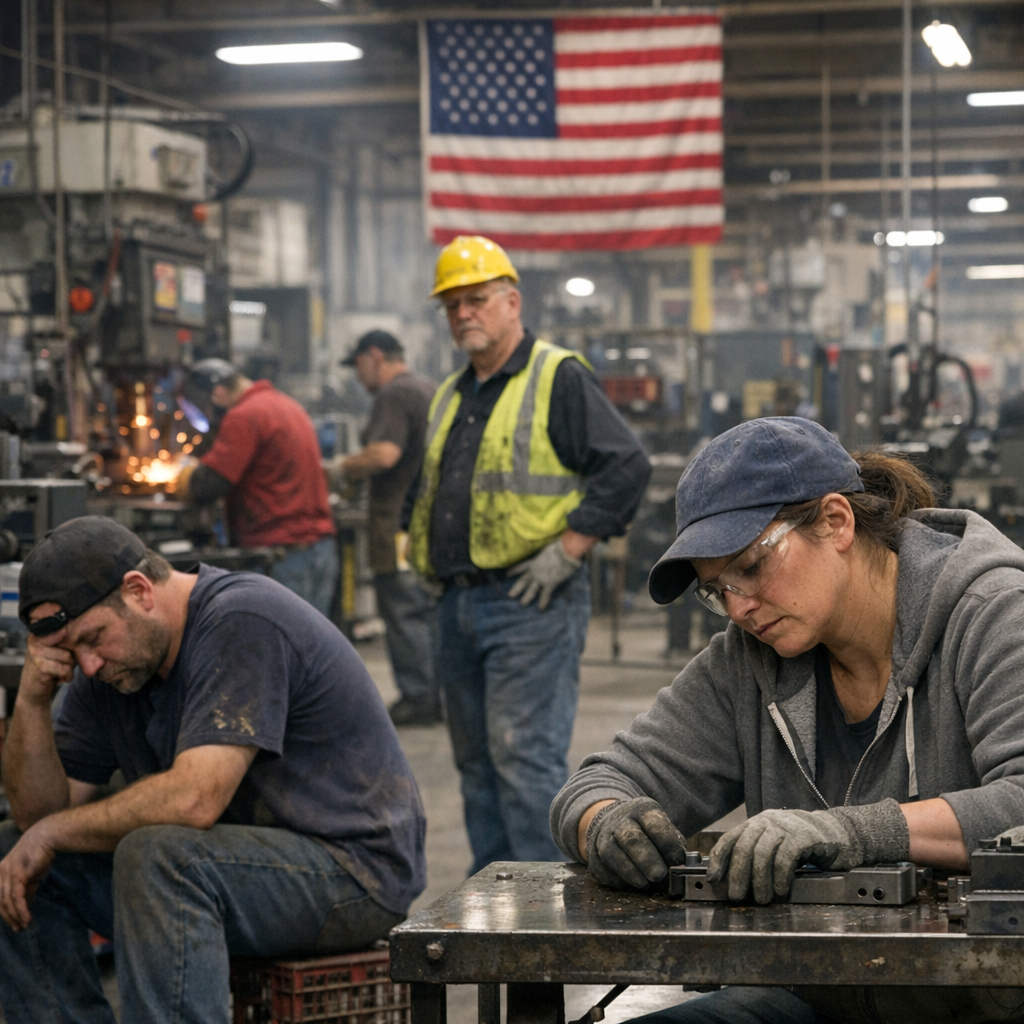
The U.S. economy is currently navigating a complex landscape marked by both resilience and emerging challenges. Recent data indicates a steady, albeit modest, growth trajectory, with the International Monetary Fund projecting a 2.4% increase in gross domestic product (GDP) for the year. Unemployment rates have shown a slight decline, suggesting a stable labor market.
Inflation and Monetary Policy
Inflation remains a focal point for policymakers and consumers alike. The Federal Reserve has maintained interest rates, signaling a cautious approach to monetary policy. This decision reflects a balancing act between fostering economic growth and controlling inflationary pressures.
Global Trade and Tariffs
On the international front, trade relations continue to influence the U.S. economic outlook. Recent developments in tariff policies have introduced uncertainties, particularly affecting manufacturing sectors. Businesses are closely monitoring these changes to assess potential impacts on supply chains and market dynamics.
National Debt Concerns
Another pressing issue is the rising national debt. Financial leaders have expressed concerns about the long-term implications of escalating debt levels, emphasizing the need for fiscal discipline to ensure economic stability.
Local Implications
For communities like Craig, Colorado, these national trends have tangible effects. The local economy, with its reliance on industries such as energy and manufacturing, may experience shifts in employment opportunities and business operations. Staying informed about these broader economic patterns is crucial for residents and local businesses to adapt and thrive.
In conclusion, while the U.S. economy demonstrates resilience, it faces a series of challenges that require careful navigation. By understanding these dynamics, communities can better prepare for the evolving economic landscape.